The information on this website is for informational purposes only and is not a substitute for professional medical advice, diagnosis, or treatment. Always seek the advice of your physician regarding any medical condition. Never disregard professional medical advice or delay seeking it because of something you have read here. If you have a medical emergency, call 911 immediately.
Chronic Condition Management (CCM) is a proactive, multi-disciplinary approach to healthcare designed to help individuals with long-term health issues maintain the highest possible quality of life. In 2026, CCM for seniors in Pasadena has evolved beyond simple symptom control; it now integrates advanced medical monitoring, lifestyle therapy, and personalized coordination to slow disease progression, prevent complications, and ensure that a diagnosis does not define one’s lifestyle. By focusing on preventive care and patient empowerment, CCM enables older adults to remain independent, active, and socially engaged for decades after a chronic diagnosis.
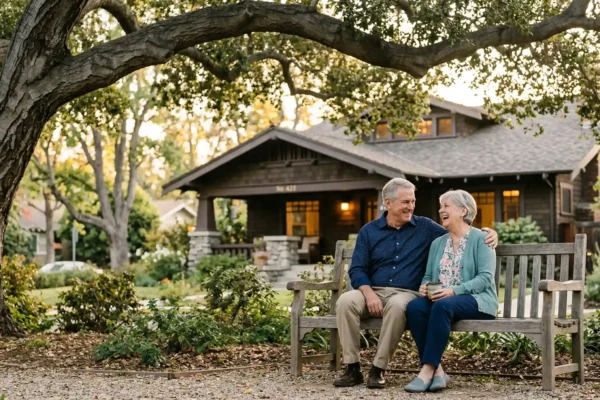
Professional Support in Pasadena
The Evolution of Care: Why Modern Disease Management is a Game-Changer
This shift is often called Minimally Disruptive Medicine. It aims to provide the most effective care while demanding the least amount of “work” from the patient, allowing them to focus on living rather than just being a “professional patient.”
Traditional Healthcare vs. Modern Chronic Condition Management (CCM)
| Feature | Traditional Approach | Modern CCM (2026) |
|---|---|---|
| Focus | Acute symptoms and crisis control | Long-term stability and quality of life |
| Patient Role | Passive recipient of instructions | Active partner in decision-making |
| Goal | Treating the specific illness | Optimizing overall functional health |
| Methods | Medications and surgery | Integrated lifestyle therapy + medicine |
| Coordination | Fragmented (siloed specialists) | Centralized complex case management |
Lifestyle Therapy: 6 Pillars of Vitality You Can Start Today in Pasadena
- Whole-Food Nutrition: Shifting toward a Mediterranean or DASH-style diet reduces systemic inflammation, a primary driver of most chronic diseases.
- Physical Activity (NEAT): Non-Exercise Activity Thermogenesis (NEAT) – the energy expended during everything we do besides sleeping or eating -is vital. Walking through the Huntington Library gardens or strolling along Colorado Boulevard keeps joints mobile and the heart strong.
- Restorative Sleep: Quality sleep is when the brain clears out toxins and the body repairs tissues.
- Stress Management: High cortisol levels exacerbate everything from blood sugar to blood pressure.
- Social Connectivity: Isolation is as detrimental to health as smoking 15 cigarettes a day.
- Avoidance of Risky Substances: Minimizing alcohol and tobacco is fundamental self care.
Incorporating these pillars requires a physician who understands the nuance of geriatric health. For instance, Cleo Tsolakoglou-Williams, M.D., is recognized for her dedication to patient-centered care in the community, often emphasizing the importance of lifestyle factors alongside clinical treatments to achieve better long-term outcomes for seniors.

Navigating Complexity: When to Call for Complex Case Management
A case manager acts as the “quarterback” of your health team. They ensure that the cardiologist knows what the endocrinologist is prescribing, preventing dangerous drug-drug interactions (polypharmacy). They also help patients navigate the logistical hurdles of healthcare, from scheduling specialist visits to ensuring that home health equipment is properly set up. In a city like Pasadena, where medical resources are abundant but sometimes fragmented, having a dedicated navigator ensures nothing falls through the cracks.
The Power of Self-Care: Tools for Daily Independence
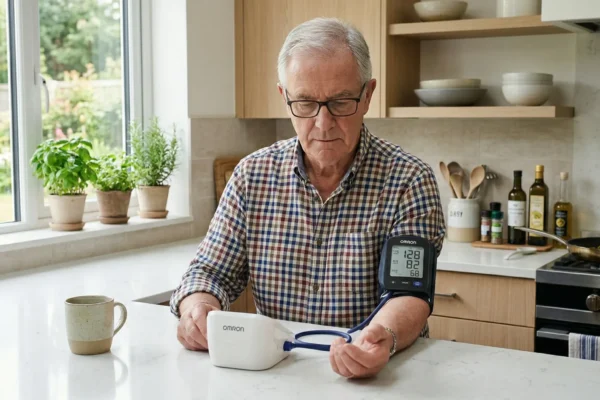
In 2026, technology has made this easier than ever. Wearable devices can now track heart rate variability, oxygen levels, and even detect early signs of a fall. By monitoring these metrics, seniors can provide their doctors with real-world data, leading to more accurate adjustments in their care plan. Moreover, self care includes psychological adaptation – reframing a diagnosis not as a “disability” but as a set of parameters within which a full life is still possible.
For those who find the transition to home-based management stressful, services like Doctor2me can be a gentle, helpful option. By bringing medical expertise directly to the home, it reduces the physical and emotional exhaustion of frequent clinic visits, allowing the patient to focus their energy on recovery and daily enjoyment rather than transportation and waiting rooms.
Preventive Care: Protecting Your Future Self
The Senior Longevity Checklist (Preventive Focus)
| Focus Area | Frequency | Goal |
|---|---|---|
| Cognitive Assessment | Annual | Early detection of memory changes |
| Fall Risk Evaluation | Every 6 months | Assessing balance and home safety |
| Medication Audit | Quarterly | Reducing unnecessary prescriptions |
| Vision & Hearing | Annual | Maintaining social engagement & safety |
| Bone Density | Every 2 years | Preventing fractures and maintaining mobility |
Case Management Services: Why Collaboration is Your Best Strategy
When a patient understands that a specific exercise isn’t just “physical therapy” but a way to ensure they can still drive their car or play with their grandchildren, compliance increases. Collaboration fosters a sense of agency, transforming a daunting medical journey into a manageable series of small, successful steps.
Living Large in Pasadena: Community Resources for Senior Health
Managing a chronic condition is much easier when you are part of a community that values health and longevity. Whether it’s attending a farmer’s market for fresh, local produce or participating in a low-impact yoga class at a neighborhood park, Pasadena offers endless opportunities to practice lifestyle therapy in a beautiful setting.
Your Diagnosis is a Chapter, Not the Whole Book
The journey of aging is a testament to resilience. With the right support system in place, every resident of Pasadena has the tools to live a long, vibrant, and profoundly active life.
Frequently Asked Questions
What exactly is Chronic Condition Management (CCM)?
Chronic Condition Management is a proactive healthcare strategy designed to stabilize long-term health issues through regular monitoring and personalized coordination. By integrating clinical treatments with evidence-based lifestyle therapy, it helps seniors maintain their independence and prevents avoidable hospital visits.
How does lifestyle therapy differ from traditional medical treatment?
While traditional medicine often focuses on reactive prescriptions to manage symptoms, lifestyle therapy addresses the root causes of illness through nutrition, sleep, and physical activity. This holistic approach works alongside clinical care to reduce systemic inflammation and improve overall vitality for patients living with chronic diagnoses.
When should I consider complex case management services?
Complex case management is essential for individuals managing multiple health conditions or those experiencing “polypharmacy,” where several medications are taken simultaneously. A dedicated coordinator streamlines communication between specialists to prevent dangerous drug-drug interactions and ensures your comprehensive care plan is executed seamlessly at home.
Can I remain physically active in Pasadena while managing a chronic illness?
Absolutely, as modern disease management in 2026 emphasizes maintaining high functional health rather than just treating an illness. Utilizing local Pasadena resources, such as low-impact movement at Victory Park or social engagement at senior centers, are vital components of a successful self-care routine.
Why is preventive care vital for seniors over 65?
Preventive care serves as a proactive shield, identifying risks like balance issues or cognitive changes before they impact your daily autonomy. Regular screenings and medication audits ensure that your health strategy adapts as you age, protecting both your physical safety and long-term mental well-being.
What is the role of self-care in managing a long-term diagnosis?
Self-care involves taking an active role in your own health through daily monitoring and adopting a “proactive” mindset toward wellness. By utilizing home-based diagnostics and reframing your health goals, you can effectively manage the burden of treatment and focus on a high quality of life.
Sources Used
- Minimally Disruptive Medicine — https://minimallydisruptivemedicine.org
- Six Pillars of Lifestyle Medicine — https://slslm.org.lk/six-pillars-of-lifestyle-medicine/
- Standards of Care in Diabetes 2026 — https://pmc.ncbi.nlm.nih.gov/articles/PMC12690168/