The information on this website is for informational purposes only and is not a substitute for professional medical advice, diagnosis, or treatment. Always seek the advice of your physician regarding any medical condition. Never disregard professional medical advice or delay seeking it because of something you have read here. If you have a medical emergency, call 911 immediately.
“Silent killers” are chronic medical conditions – such as hypertension, type 2 diabetes, and chronic kidney disease – that progress internally for years without manifesting obvious physical symptoms, often causing irreversible organ damage before a patient realizes anything is wrong. Early detection through regular screening is the only way to identify these threats before they reach a critical or life-threatening stage.
If you or a loved one are navigating the complexities of aging and wish to prioritize long-term wellness, professional guidance is essential. Dr. Cleo specializes in geriatric care and preventative medicine, helping residents of Pasadena identify hidden health risks before they escalate. By focusing on personalized longevity strategies and evidence-based diagnostics, Dr. Cleo provides the expert oversight necessary for maintaining a high quality of life.
The Biological Illusion: Why We Feel ``Fine`` While Damage Mounts
The Mechanism of Adaptation
Hypertension: The Leading Silent Killer in 2026
Why Hypertension Goes Unnoticed
The Internal Damage Timeline:
- Year 1-3: Increased pressure causes microscopic tears in the arterial lining.
- Year 4-7: Plaque builds up in these tears, narrowing the blood flow.
- Year 8+: Organs like the heart and brain become starved of oxygen, leading to sudden events.
| Target Organ | Long Term Impact of Silent Hypertension |
|---|---|
| Heart | Left ventricular hypertrophy (thickening of the heart muscle). |
| Brain | TIA (mini-strokes) and increased risk of vascular dementia. |
| Eyes | Retinopathy or permanent damage to the retinal blood vessels. |
| Kidneys | Nephrosclerosis, leading to reduced filtration capacity. |
Diabetes Type 2: The Hidden Window of Opportunity
The Subtle Shifts You Might Miss
- Slightly slower healing of small scratches or bruises.
- Mild fatigue after meals.
- Increased thirst that is often attributed to the dry Pasadena climate.
By the time the “classic” diabetes symptoms – such as frequent urination or extreme thirst – appear, the high blood sugar has already begun damaging the microvasculature of the feet and eyes. Modern screening protocols now emphasize A1C testing and Continuous Glucose Monitoring (CGM) for those over 65, even if they feel perfectly healthy.
Chronic Kidney Disease (CKD): Silence Until the Final Stages
Identifying the Risk in Pasadena
Proactive Screening is Key:
- eGFR (Estimated Glomerular Filtration Rate): A simple blood test to see how well the kidneys filter.
- Urine Albumin: Checking for protein leakages that shouldn’t be there.
Colon Cancer: The Power of the Screening Protocol
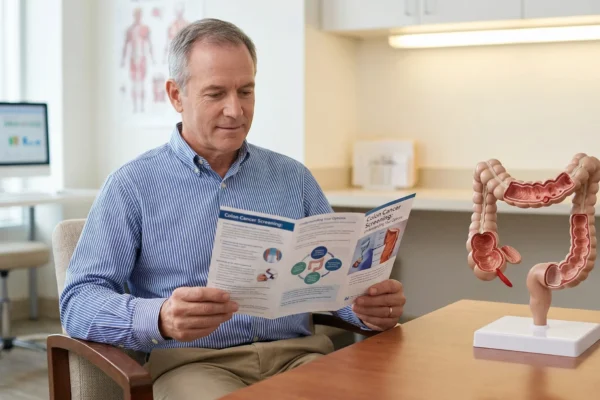
Most colon cancers begin as small growths called polyps. These polyps are asymptomatic. If they are found during a routine screening, they can be removed before they ever become cancerous. Waiting for symptoms – such as changes in bowel habits or unexplained weight loss – often means the cancer has reached a more advanced stage.
MASLD: The New Silent Epidemic
The liver has no pain receptors on its interior. You can develop significant scarring without a single ache in your side. Modern diagnostics in 2026 utilize non-invasive imaging like FibroScan to detect liver stiffness, allowing for lifestyle interventions before the damage becomes permanent.
Your 2026 Preventative Health Checklist
| Screening Type | Frequency (Age 65+) | Why it Matters |
|---|---|---|
| Blood Pressure Check | Every visit (at least twice a year) | Detects hypertension silent killer risks early. |
| A1C / Fasting Glucose | Annually | Identifies diabetes before symptoms of heart disease appear. |
| Lipid Profile (Cholesterol) | Annually | Assesses risk for silent arterial plaque buildup. |
| eGFR and Creatinine | Annually | Monitors kidney health for early signs of kidney disease. |
| Colonoscopy / Cologuard | Every 3-10 years (based on risk) | Detects polyps before they become colon cancer. |
| Skin Cancer Check | Annually | Finds asymptomatic lesions in high-sun areas like California. |
The most dangerous diseases are those that do not scream for your attention. In Pasadena, where we value an active and engaged lifestyle, staying ahead of these silent threats is the ultimate strategy for longevity. By utilizing expert local care, embracing modern health services, and adhering to strict screening protocols, you can ensure that “feeling fine” is backed by the clinical data to prove it.
Don’t wait for a symptom to tell you something is wrong. The absence of pain is your opportunity to intervene early and protect your future health.
Frequently Asked Questions
Why is high blood pressure often called the “silent killer”?
Hypertension is known as a silent killer because it rarely produces physical warning signs until a life-threatening crisis, such as a stroke or heart attack, occurs. Over years, elevated pressure silently damages arterial walls and vital organs, making regular blood pressure monitoring essential even when you feel perfectly healthy.
What are the earliest signs of type 2 diabetes if symptoms are hidden?
During the initial years, diabetes symptoms are often so subtle they are dismissed as normal aging, such as mild fatigue or slightly slower wound healing. Because the body adapts to rising glucose levels, clinical diagnostics like A1C testing remain the only reliable way to identify insulin resistance before it causes permanent vascular damage.
How can I detect a “silent” disease if I have no pain or discomfort?
The absence of pain does not guarantee the absence of disease, as the body’s internal systems often compensate for gradual organ decline. The most effective strategy is adhering to a consistent preventative health screening schedule, which uses objective data from blood work and imaging to find issues that physical feelings cannot detect.
Which screenings are most important for seniors living in Pasadena?
Residents over 65 should prioritize annual lipid profiles to check cholesterol, eGFR tests for kidney function, and updated colon cancer screenings. Regular cardiovascular evaluations are also vital in the California climate to ensure that high blood pressure and other asymptomatic risks are managed proactively.
Is it possible to prevent kidney damage if there are no early signs of kidney disease?
Yes, chronic kidney disease can often be managed or slowed if caught in its early, asymptomatic stages through routine urine and blood tests. By identifying a high eGFR or protein leakage early, patients can implement lifestyle changes and manage blood pressure to protect renal health before significant filtration capacity is lost.
Sources Used
- American Heart Association — https://www.heart.org/en/health-topics/high-blood-pressure/why-high-blood-pressure-is-a-silent-killer
- Centers for Disease Control and Prevention — https://www.cdc.gov/kidneydisease/basics.html
- American Diabetes Association — https://diabetes.org/about-diabetes/symptoms
- Mayo Clinic — https://www.mayoclinic.org/diseases-conditions/colon-cancer/symptoms-causes/syc-20353669