The information on this website is for informational purposes only and is not a substitute for professional medical advice, diagnosis, or treatment. Always seek the advice of your physician regarding any medical condition. Never disregard professional medical advice or delay seeking it because of something you have read here. If you have a medical emergency, call 911 immediately.
Type 2 diabetes is a lifelong condition in which blood sugar stays too high because the body cannot use insulin the way it should. The good news is that it can be managed. Day-to-day type 2 diabetes management usually rests on three simple pillars: healthy eating, regular activity, and, when needed, medicine, along with regular check-ins with a care team. This guide explains the basics in plain language for older adults in Pasadena and their families. Family physicians such as Dr. Cleo Tsolakoglou-Williams work with patients in Pasadena to keep ongoing conditions like this under steady control.
What Is Type 2 Diabetes?
Who Is at Higher Risk
Symptoms of Type 2 Diabetes
Why Symptoms Are Easy to Miss
Understanding Blood Sugar Levels
How Diabetes Is Diagnosed
The Basics of Diabetes Management
Food and Activity
Type 2 Diabetes Treatments and Medicine
Caring for Emotional Health
Preventing Complications
Knowing the Warning Signs
Living Well With Type 2 Diabetes in Pasadena
Frequently Asked Questions
What are the first symptoms of type 2 diabetes?
Early symptoms often include increased thirst, frequent urination, hunger, tiredness, blurred vision, and slow-healing cuts or sores. Symptoms build slowly, so some people have none at first, which is why routine screening is helpful.
What is a normal blood sugar level?
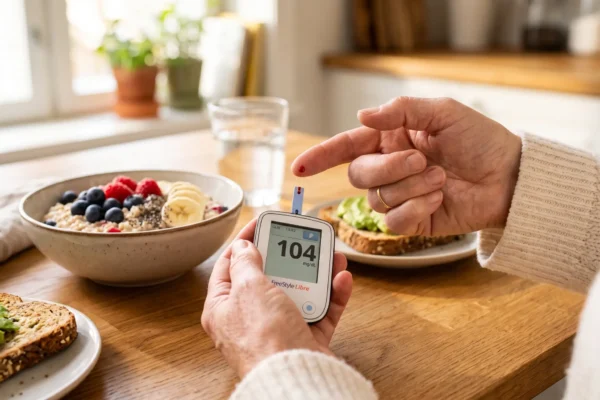
A healthy, normal fasting blood sugar level is generally 70 to 99 mg/dL. Fasting readings of 126 mg/dL or higher, on two occasions, suggest diabetes, and a provider confirms the diagnosis with blood tests.
How is type 2 diabetes diagnosed?
It is diagnosed with a blood test: a fasting blood sugar of 126 mg/dL or higher, a random blood sugar of 200 mg/dL or higher, or an A1C of 6.5% or higher. The A1C shows the average blood sugar over the past two to three months.
What is the main treatment for type 2 diabetes?
Treatment starts with healthy eating and regular activity, and adds medicine when needed. Metformin is the most common pill, and some people also use other medicines or insulin to keep blood sugar in their target range.
Can type 2 diabetes be reversed or cured?
Type 2 diabetes is a lifelong condition with no cure, but it can be well managed. Some people who lose weight and stay active can keep healthy blood sugar without medicine, though they still have the condition and need ongoing care.
How much exercise helps with type 2 diabetes?
A common goal is at least 150 minutes a week of moderate activity, such as brisk walking. Exercise lowers blood sugar both in the short term and over time, and it also helps blood pressure, weight, and mood.