The information on this website is for informational purposes only and is not a substitute for professional medical advice, diagnosis, or treatment. Always seek the advice of your physician regarding any medical condition. Never disregard professional medical advice or delay seeking it because of something you have read here. If you have a medical emergency, call 911 immediately.
A primary care physician is the doctor a person sees first for most health needs. They keep patients well, treat common illnesses, manage long-term conditions, and guide people to specialists when needed. In Pasadena, a trusted primary care provider is a steady partner who learns a patient’s history and helps them make sense of their whole health, not just one problem at a time.
Residents who want unhurried, personal care can schedule a visit with Dr. Cleo Williams, a board-certified family physician who serves Pasadena and offers both office visits and house calls. The sections below explain what a primary care doctor really does and how to choose the right one.
What a Primary Care Provider Is
One Doctor, Many Roles
Most primary care providers are doctors, but nurse practitioners and physician assistants also serve in this role, often as part of a care team. The main idea stays the same: one point of contact who looks at the whole person.
The Different Names: PCP, GP, and Family Doctor
What a Primary Care Physician Actually Does Day to Day
Prevention and Checkups
For adults over 50, these visits often include checks for blood pressure, cholesterol, and blood sugar, plus certain cancer screenings and a review of vaccines. A primary care physician tailors the schedule to each person’s age, family history, and risk. Keeping up with these simple steps is one of the best ways to add more healthy years.
Treating Everyday Illness
Managing Long-Term Conditions
Coordinating Your Whole Health
What Is the Difference Between a PCP and a Specialist?
When Your PCP Refers You Out
Types of Primary Care Doctors
Family Medicine and Internal Medicine
Care for Older Adults
Nurse Practitioners and Physician Assistants
Why Having a Primary Care Doctor Matters
Better Health Over Time
One Place to Start
A Team Around the Doctor
Choosing the Right Primary Care Doctor in Pasadena
What to Look For
It also helps to ask a few simple questions before the first visit: Is the doctor taking new patients? Who covers when they are away? Are evening or virtual visits available? The answers make it easier to pick a PCP physician who fits a patient’s daily life.
Care That Fits Your Life
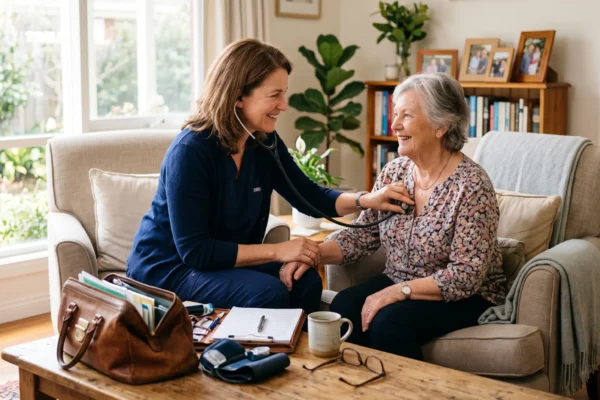
If getting to an office is difficult, an in-home visit can also be arranged, so care reaches the patient rather than the other way around. For many people, that convenience is the difference between putting off a checkup and finally getting one. You can even choose a doctor for a home visit when that is the easier path.
Frequently Asked Questions
What is the primary role of a primary care physician?
A primary care physician is a patient’s main, first-contact doctor for most non-emergency needs. They provide preventive care, treat common illnesses, manage long-term conditions, and refer to specialists when needed. Over time, they get to know the patient and coordinate their overall care.
What conditions does a primary care physician treat?
Primary care physicians treat a wide range of common problems, from infections and minor injuries to high blood pressure, diabetes, high cholesterol, and depression. They also provide checkups, vaccines, and screening tests. When a problem needs deeper expertise, they refer the patient to a specialist.
Is a PCP the same as a general practitioner?
In everyday use, the terms overlap. A PCP is any first-contact primary care provider, while general practitioners historically offered broad routine care. In the U.S., most GPs have become board-certified family physicians after a dedicated residency, so a family doctor and a PCP usually mean the same thing.
What is the difference between specialist and primary care?
Primary care offers broad, ongoing care for the whole person and family. A specialist focuses deeply on one system, disease, or age group. The two work together, and patients usually keep seeing their PCP even while a specialist manages a specific issue.
What does it mean to be a primary care physician?
Being a primary care physician means serving as a patient’s main, first-contact doctor across many kinds of health needs. It involves building a long-term relationship, focusing on prevention as much as treatment, and coordinating care with specialists. The role is broad by design, caring for the whole person rather than a single organ or disease.
What are the 10 most common diagnoses in primary care?
Primary care offices most often handle high blood pressure, upper respiratory infections, diabetes, high cholesterol, back and joint pain, anxiety and depression, urinary tract infections, skin problems, and routine wellness checkups. Exact rankings vary by clinic and patient age. A primary care physician treats many of these directly and refers out when a problem needs a specialist.