The information on this website is for informational purposes only and is not a substitute for professional medical advice, diagnosis, or treatment. Always seek the advice of your physician regarding any medical condition. Never disregard professional medical advice or delay seeking it because of something you have read here. If you have a medical emergency, call 911 immediately.
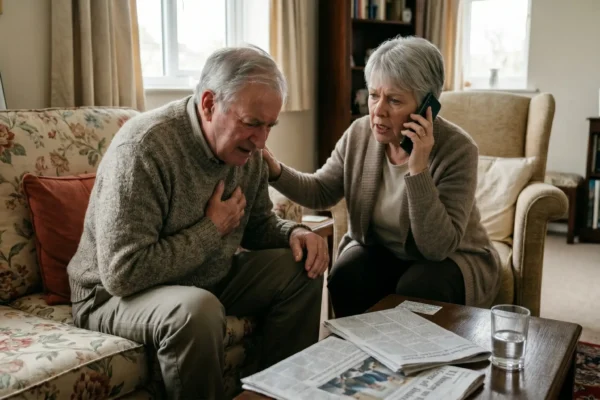
If you suspect a stroke, you must call 911 immediately and use the BE FAST protocol (Balance, Eyes, Face, Arms, Speech, Time) to assess the situation. Rapid medical intervention is the only way to save brain tissue, as modern treatments like clot-dissolving therapies must typically be administered within a 3 to 4.5-hour window from the onset of symptoms. Do not wait for symptoms to improve or attempt to drive yourself to the hospital, as paramedics provide the fastest route to specialized care.
For residents in Pasadena and the surrounding San Gabriel Valley, having a professional medical advocate is a vital part of long-term health management. Dr. Cleo provides expert guidance for seniors and their families, focusing on cardiovascular risk reduction and evidence-based preventive care. By establishing a baseline of health and monitoring vascular markers, families can significantly lower the risk of emergency events.
The BE FAST Protocol: A Definitive Guide for Families
Understanding the BE FAST Assessment Steps
| Letter | Assessment Focus | What to Look For |
|---|---|---|
| B | Balance | Sudden dizziness, loss of coordination, or trouble walking. |
| E | Eyes | Blurred vision, double vision, or sudden loss of sight in one eye. |
| F | Face | One side of the face drooping or feeling numb when smiling. |
| A | Arms | One arm drifts downward when both are raised to shoulder height. |
| S | Speech | Slurred speech, inability to speak, or confusion in understanding words. |
| T | Time | If any sign is present, call 911 immediately and note the time. |
Recognizing Early Warning Signs Days Before an Event
Subtle Indicators and Red Flags
- Sudden “Thunderclap” Headaches: An unusually severe headache that appears out of nowhere without a history of migraines.
- Transient Limb Weakness: A sudden heavy feeling in one arm or leg that lasts only a few minutes.
- Recurrent Vertigo: Episodes of spinning or dizziness that are not related to standing up too quickly.
- Brief Aphasia: Momentary difficulty finding the right words or understanding a simple conversation.
- Facial Tingling: A “pins and needles” sensation specifically on one side of the face or tongue.
The Reality of TIA: Why a Mini Stroke is a Major Emergency
Comparing TIA and Acute Ischemic Stroke
| Feature | Mini Stroke (TIA) | Acute Ischemic Stroke |
|---|---|---|
| Cause | Temporary clot or blockage | Sustained blockage or vessel rupture |
| Duration of Symptoms | Usually 2 to 15 minutes | Persistent and non-resolving |
| Permanent Damage | None (symptoms resolve) | Potential for permanent cell death |
| Risk Factor | 1 in 3 will have a major stroke later | Requires long-term rehabilitation |
| Home Action | Call 911 immediately | Call 911 immediately |
Critical Home First Aid: The 0-Degree Positioning Rule
Step-by-Step Emergency Positioning at Home
- Horizontal Placement: Lay the person completely flat on their back on a firm surface.
- No Pillows: Avoid propping the head up with pillows, as this can reduce blood pressure to the brain.
- Side Positioning (Exception): Only turn the person onto their side if they begin to vomit, to prevent aspiration.
- Loosen Clothing: Unbutton collars and loosen belts to ensure unrestricted breathing and circulation.
- Maintain Stillness: Encourage the person to remain as calm and still as possible to keep heart rate stable.
Essential Dos and Don'ts During a Stroke Emergency
Safety Checklist for Caregivers
| Action | Status | Medical Reason |
|---|---|---|
| Call 911 | DO | Paramedics start the “Stroke Alert” before reaching the hospital. |
| Give Aspirin | DON’T | If the stroke is hemorrhagic (bleeding), aspirin will worsen the brain bleed. |
| Give Water | DON’T | Stroke often paralyzes swallowing muscles, leading to choking or lung infection. |
| Note “Last Well” Time | DO | Doctors need this exact time to decide if they can safely give clot-busters. |
| Drive to Hospital | DON’T | Ambulances have specialized equipment and can bypass traffic safely. |
Regional Stroke Care Resources in Pasadena
Why Local Response Times Matter
- Brain Cell Loss: The brain loses approximately 1.9 million neurons every minute during a stroke.
- Golden Hour: Patients treated within the first 60 minutes of symptom onset have the highest rates of full recovery.
- Advanced Imaging: Local stroke centers utilize AI-driven CT scans to identify blockages in seconds.
- Mechanical Thrombectomy: Specialists in our region can physically remove clots using catheters, a procedure available only at top-tier centers.
Long-Term Risk Management for San Gabriel Valley Seniors
Key Health Markers for Stroke Prevention
- Blood Pressure Management: Maintaining levels below 130/80 is the single most important factor in preventing vessel rupture.
- Atrial Fibrillation (AFib): Managing irregular heart rhythms prevents clots from forming and traveling to the brain.
- Physical Activity: Regular walks at the Huntington Library or the Rose Bowl help maintain arterial elasticity.
- Nutritional Focus: A diet rich in leafy greens and lean proteins supports overall vascular strength.
Frequently Asked Questions
What are the primary warning signs of a stroke?
The most common indicators include sudden numbness in the face or limbs, confusion, and difficulty speaking. You should also watch for balance issues and vision changes, as these often signal a medical emergency requiring immediate intervention.
How do you use the BE FAST acronym for stroke detection?
BE FAST stands for Balance, Eyes, Face, Arms, Speech, and Time. Use this checklist by monitoring for sudden instability, vision loss, facial drooping, arm weakness, or slurred speech to identify if a loved one needs life-saving emergency care.
What are the warning signs of a stroke days before it occurs?
Some patients experience “prodromal” symptoms, such as severe, sudden “thunderclap” headaches or brief episodes of limb weakness, up to several days before a major event. These fleeting warning signs indicate a disruption in blood flow and should be evaluated by a medical professional immediately.
What is a TIA or “mini-stroke,” and is it dangerous?
A Transient Ischemic Attack (TIA) is a temporary blockage that mimics stroke symptoms but usually resolves within minutes. While it causes no permanent damage, a mini-stroke is a critical clinical predictor that a massive stroke could occur within the next 48 hours.
Can I give aspirin to someone having a stroke at home?
No, you should never provide aspirin or any other medication until a medical professional performs a brain scan at a stroke center. If the stroke is hemorrhagic (caused by bleeding) rather than ischemic (clot), aspirin can worsen the internal bleeding and lead to fatal complications.