The information on this website is for informational purposes only and is not a substitute for professional medical advice, diagnosis, or treatment. Always seek the advice of your physician regarding any medical condition. Never disregard professional medical advice or delay seeking it because of something you have read here. If you have a medical emergency, call 911 immediately.
When you turn 50, your body needs a little extra help to stay healthy. Getting specific vaccines, or shots, is the most proven way to keep your immune system strong. Your doctor will likely suggest the shingles shot starting right at age 50. After that, they will recommend shots for RSV, pneumonia, and a regular Tdap booster.
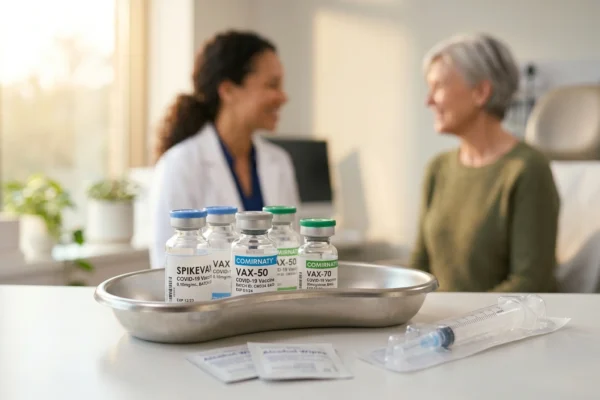
If you live in Pasadena and want to update your health plan, Dr. Cleo can help. She offers care that fits your exact needs so you can keep living an active life. Schedule an appointment with Dr. Cleo to make sure your defenses are fully updated.
Why Do Vaccines for Adults Over 50 Matter in Pasadena?
When this aging process happens, your body stops making as many new disease-fighting cells. The white blood cells you do have become much slower to react to new germs. Because your natural defenses are weaker, getting your shots is a smart way to protect yourself.
For active people in Southern California, staying healthy is a daily goal. Getting out into the community is great for your brain and your mood. But being around large crowds also means you are around more germs that can cause severe breathing illnesses.
Getting your shots helps you stay independent and protects you from local risks:
- Crowded events: Going to busy local spots increases your contact with spreading viruses.
- Weather and air: Dry Santa Ana winds and local smog can irritate your airway, making it much easier to get sick.
- Travel: Active seniors who travel often will run into a wider variety of harmful bacteria.
What Are the Most Common Adult Vaccines You Need to Know?
The Shingles Vaccine: When Should You Get It?
Doctors agree that you should get the shingles shot as soon as you turn 50. Hitting this exact age is the main sign that you need this protection. According to the NIH, your risk of having long-lasting nerve pain goes up a lot after you reach age 50.
This sleeping virus often wakes up because of a few common reasons:
- Aging defenses: Your body naturally gets worse at fighting off this specific virus as the years go by.
- Stress: Going through hard physical or emotional times can lower your natural defenses.
- Other sicknesses: Having another illness can make your immune system too weak to keep the virus asleep.
| Shingles Quick Facts | What You Should Know |
|---|---|
| What causes it? | The sleeping chickenpox virus waking up. |
| When to get it? | Doctors suggest starting exactly at age 50. |
| How many shots? | You need two shots to get the full protection. |
| Biggest danger? | Severe nerve pain that can last a long time. |
The RSV Vaccine: How Does It Protect Your Lungs?
The new RSV shot for adults is a huge step forward for keeping seniors healthy. For an older adult, RSV is not just a bad head cold. The virus attacks the tiny air sacs in your lungs, making it very hard to breathe and get enough oxygen into your blood.
Studies show that RSV is extra dangerous if you already have other health problems. The virus can quickly worsen these issues:
- Asthma and COPD: RSV causes severe swelling in the airways, making breathing feel impossible.
- Heart failure: Fighting for breath puts a heavy, dangerous strain on an older heart.
- Kidney disease: Severe sickness throws off your body’s fluid balance, which hurts weak kidneys.
The Pneumonia Vaccine: Why Is It Essential?
Getting a pneumonia shot is a key way to protect your aging lungs. Unlike cold viruses that only show up in winter, these bacteria are around all year long. Bacterial pneumonia can hit older adults fast and hard, often right after they catch the flu.
The CDC reports that about 150,000 Americans end up in the hospital every year because of this sickness. This illness hurts older lungs in severe ways:
- Fluid buildup: The bacteria cause heavy swelling that fills the lungs with fluid and pus.
- Blood infections: In bad cases, the bacteria can leave the lungs and enter the bloodstream.
- Muscle loss: It takes a long time to recover, and lying in bed causes you to lose muscle mass fast.
| Type of Sickness | Common Signs | Danger Level for Seniors |
|---|---|---|
| Normal Cold | Runny nose, feeling tired, mild cough. | Low – usually goes away on its own. |
| Pneumonia | Hard time breathing, deep cough, high fever. | High – can cause severe breathing trouble. |
The Tdap Vaccine: How Often Do You Need a Booster?
Many adults mistakenly think the shots they got as kids will protect them forever. Unfortunately, science shows that this protection slowly fades over time. You have to remind your body how to fight these germs. Health experts at the CDC state that adults need a Tdap “booster” shot every 10 years. This simple shot protects you from:
- Tetanus: Dangerous bacteria found in dirt and dust that cause severe, painful muscle stiffness.
- Diphtheria: Bacteria that infect your throat and can destroy healthy tissue very quickly.
- Pertussis: Also known as whooping cough, this causes severe coughing and is very dangerous if passed to babies.
How Should You Prepare for Your Doctor Visit?
First, always gather any old health records you have at home. Do not guess what shots you had in the past. Bring the paperwork so your doctor can look at the exact dates. Next, make sure you dress comfortably for your appointment. Wear a short-sleeved shirt or a loose top. This makes it much easier for the nurse to reach your upper arm without you having to change clothes.
Finally, write down any questions you have on a piece of paper before you leave the house. It is easy to forget what you wanted to ask once you sit down in the doctor’s office. Writing things down ensures you get all the answers you need.
What Should You Expect After Your Shots?
Because your body is working hard, it is completely normal to feel a little bit “off” for a day or two. The most common thing you will notice is a sore arm where the needle went in. It might look a little red or feel tender when you touch it.
You might also feel a little tired, have a mild headache, or get a very low fever. Do not panic if this happens. These mild feelings are actually a good sign that your immune system is responding and building a strong defense.
If your arm is very sore, you can put a clean, cool washcloth on it. Moving your arm around normally can also help the soreness go away faster. If you feel unwell for more than a few days, simply call your doctor’s office to check in.
What Everyday Habits Support Your Immune System?
One of the easiest things you can do is drink plenty of water. As we get older, we sometimes do not feel thirsty, even when our bodies need fluids. Drinking water helps carry important immune cells all over your body.
Sleep is also incredibly important for building a strong defense. When you sleep, your body repairs itself and builds up protective proteins. Try to get a full seven to eight hours of rest every single night.
Lastly, try to move your body every day. You do not need to do heavy exercise. A simple, brisk walk around your neighborhood helps your blood flow. Good blood flow keeps your immune system active and ready to fight off germs.
How Can Pasadena Residents Build a Lasting Health Plan?
To make sure your immune system is in top shape, follow these structured steps:
- Check your records: Find your old health records and share them directly with your doctor.
- Schedule a wellness visit: Set up a doctor’s visit just to talk about staying healthy, not just when you feel sick.
- Make a shot calendar: Work with your doctor to map out exactly when you need your shots over the next few years.
- Time it right: Try to get your shots right before winter starts, when cold viruses always spread the most.
| Action Step | How Often? | Main Benefit for You |
|---|---|---|
| Check Records | Once (then keep it updated) | Gives you a clear starting point for your health plan. |
| Doctor Visit | Every single year | Let your doctor update your plan based on your current health. |
| Make a Calendar | Ongoing | Keeps you from missing important shots so you stay protected. |
Conclusion
Frequently Asked Questions
Which vaccines are recommended for adults over 50?
Primary care doctors highly recommend starting with the shingles vaccine exactly at age 50, followed by specific immunizations for RSV and pneumonia. It is also essential to maintain your defense against bacterial infections by staying current with your routine Tdap booster. Following this recommended preventive care plan helps counteract natural immune system aging and keeps your defenses strong.
Can I get the shingles and pneumonia vaccines at the same time?
Yes, it is generally safe and very common to receive multiple adult immunizations during the same wellness visit. Your body is fully capable of building a strong immune response to both the shingles shot and the pneumococcal vaccine simultaneously. However, always consult your physician to tailor the exact shot calendar to your personal health history.
Are there any side effects after getting adult immunizations?
After receiving your shots, it is completely normal to experience a mildly sore arm, a low-grade fever, or temporary fatigue. These minor symptoms are actually a positive sign that your immune system is actively building long-term protection against severe respiratory pathogens and viral reactivation. If the soreness persists for more than a few days, simply contact your primary care clinic.
Why do older adults need an RSV vaccine if it just causes a cold?
While RSV might cause mild symptoms in younger people, it frequently leads to severe lower respiratory tract disease in seniors. The adult RSV vaccine prevents the virus from attacking the tiny air sacs in your aging lungs, protecting you from dangerous complications like heavy fluid buildup. This preventive measure is especially vital if you have underlying conditions like asthma, COPD, or heart failure.
How often do I need a Tdap booster as an adult?
Medical guidelines state that every adult needs a routine Tdap booster every 10 years to maintain an effective shield against tetanus, diphtheria, and whooping cough. Because the antibody protection you received during childhood naturally fades over time, reminding your body how to fight these germs is crucial. Adhering to this strict 10-year immunization schedule ensures continuous, gap-free protection.