The information on this website is for informational purposes only and is not a substitute for professional medical advice, diagnosis, or treatment. Always seek the advice of your physician regarding any medical condition. Never disregard professional medical advice or delay seeking it because of something you have read here. If you have a medical emergency, call 911 immediately.
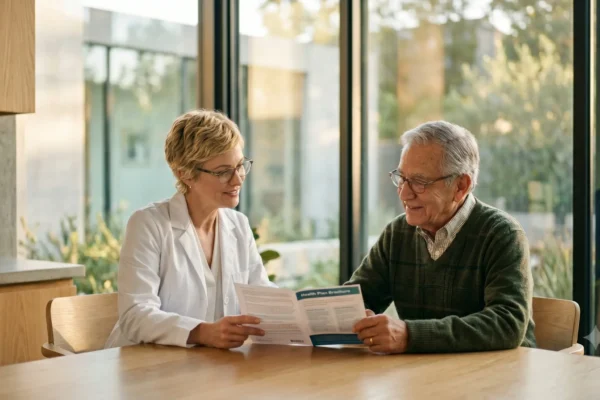
An annual wellness visit is a dedicated preventive care appointment focused strictly on creating a long-term personalized health plan, screening for cognitive changes, assessing fall risks, and scheduling future vital health screenings. Instead of waiting for an illness to strike, this proactive medical appointment builds a baseline of current health status and establishes a clear roadmap for maintaining independence. It is a strategic planning session for the body and mind, entirely separate from diagnosing acute sickness.
Redefining Healthy Aging: The Clinical Purpose of an Annual Wellness Exam
As the body ages, physiological reserves naturally change. A preventive care visit pauses to look at the holistic picture of these age-related shifts. By identifying minor fluctuations in mobility, memory, or nutrition early, medical providers can implement clinical interventions that prevent severe health emergencies later.
Common age-related changes evaluated during this visit include:
- Bone Density Reduction: Assessing structural changes that increase fracture risks.
- Metabolic Shifts: Monitoring how the digestive system processes daily nutrients.
- Sensory Decline: Checking for subtle changes in hearing and vision that impact safety.
Why is this forward-looking approach critical for longevity?
- Proactive Disease Prevention: Catching minor fluctuations in weight or blood pressure before they develop into chronic, unmanageable conditions.
- Independence Preservation: Identifying subtle mobility issues early keeps older adults out of nursing facilities and safely in their own homes.
- Neurological Baseline Tracking: Establishing clear cognitive records makes it significantly easier to spot abnormal neurological changes year over year.
- Care Coordination: Aligning conflicting medical advice from multiple specialists into one cohesive, manageable health plan.
Core Components of an Annual Wellness Exam
The Health Risk Assessment (HRA) Blueprint
Physicians rely on the HRA to evaluate functional independence. If the HRA reveals that certain activities have become physically dangerous, the provider can recommend occupational therapy before a severe accident occurs.
The primary Activities of Daily Living (ADLs) evaluated include:
- Personal Hygiene: The ability to safely bathe, groom, and maintain oral care.
- Independent Dressing: Selecting and putting on clothing without physical assistance.
- Safe Meal Preparation: Navigating the kitchen and cooking without burn or cut risks.
- Indoor Mobility: Moving from a bed to a chair without losing balance.
Mapping the Mind: Cognitive and Mental Health Screening
Key cognitive domains tested during the visit:
- Short-Term Memory Retention: Recalling recent events or specific verbal instructions.
- Executive Function: The ability to plan daily schedules and solve simple problems.
- Language Comprehension: Finding the correct words to communicate physical symptoms.
Equally important is the clinical depression screening. Changes in mobility, retirement, or the loss of peers can trigger severe isolation in older adults. Identifying mood changes early helps medical professionals provide necessary emotional support and cognitive behavioral interventions.
Staying Grounded: Fall Risk and Functional Safety
A thorough fall risk assessment specifically checks:
- Lower Body Strength: Muscle mass in the legs and core stability.
- Gait Stability: How smoothly the patient walks and turns corners.
- Vision Depth Perception: How accurately the patient can judge steps or curbs.
If the doctor identifies a high fall risk, they may recommend targeted physical therapy to strengthen core muscles. They might also suggest specific changes to footwear or prescribe assistive devices to maintain safe, independent mobility.
Wellness Exam vs. Routine Physical: Understanding the Clinical Differences
| Clinical Aspect | Annual Wellness Visit | Routine Physical Exam |
|---|---|---|
| Primary Clinical Goal | Preventive planning, risk assessment, and cognitive screening. | Hands-on physical examination, symptom diagnosis, and active treatment. |
| Examination Style | Conversational, questionnaire-based, functional testing. | Palpation, listening to the heart and lungs, checking physical reflexes. |
| Condition Management | Creating a 5 to 10-year preventive screening schedule. | Treating current, acute, or chronic physical symptoms directly. |
| Required Preparation | Gathering advance directives, POLST forms, and full medical history. | Fasting for lab work or bringing specific, acute physical complaints. |
| Expected Outcome | A personalized prevention plan and updated clinical records. | A definitive diagnosis, a new prescription, or an immediate treatment plan. |
The updated 2026 clinical guidelines emphasize prevention over reactive treatment for the geriatric population. For example, recent data published via PubMed indicates that shifting focus to preventive risk assessments significantly reduces hospital readmission rates. The wellness visit perfectly aligns with this modern clinical philosophy.
How Pasadena Families Can Prepare for the Appointment
Organizing a Comprehensive Health Profile
| Item Category to Prepare | Description | Why the Doctor Needs This Information |
|---|---|---|
| Prescription Medications | All daily maintenance prescriptions with exact current dosages. | To screen for dangerous chemical interactions and age-related side effects. |
| Over-the-Counter Items | Pain relievers, allergy pills, and digestive aids. | These can interact negatively with stronger, prescribed daily medications. |
| Vitamins and Supplements | Herbal drops, joint support formulas, and daily multivitamins. | High doses of certain vitamins can severely impact liver or kidney function. |
| Specialized Equipment | Canes, walkers, orthotics, or hearing aids currently in use. | To assess if the medical equipment is still adequate or requires an upgrade. |
Documenting the Extended Care Team
Write down the names, contact information, and the date of the last visit for the following specialists:
- Cardiologists: Managing blood pressure and heart health.
- Ophthalmologists: Monitoring vision changes and glaucoma risks.
- Podiatrists: Treating structural foot conditions and neuropathy.
- Neurologists: Overseeing care for tremors or cognitive diagnoses.
Mapping the Future: Advance Care Directives
Crucial documents to gather include:
- Advance Healthcare Directives: Outlining broad medical interventions the senior approves or declines.
- Living Wills: Specific instructions regarding end-of-life care and artificial life support.
- Healthcare Power of Attorney: Designating a trusted person to make medical decisions if the patient becomes incapacitated.
- POLST Forms: Physician Orders for Life-Sustaining Treatment, detailing exact clinical interventions for emergency responders.
Discussing these wishes while the senior is healthy removes the burden of guesswork from the family during a future medical emergency. It guarantees the patient’s exact wishes regarding emergency interventions are officially recorded.
The Caregiver's Role in Preventive Clinical Observation
Caregivers should observe and document the following critical signs in the weeks leading up to the appointment:
- Changes in Daily Routine: Is the older adult sleeping significantly more during the day or skipping regular meals?
- Unexplained Bruising: This often indicates unreported falls, dizziness, or bumping against furniture due to spatial awareness issues.
- Memory Lapses: Distinguish between normal aging (forgetting a word temporarily) and clinical warning signs (getting lost in a familiar neighborhood).
- Significant Mood Shifts: Note any increased irritability, sudden apathy, or withdrawal from previously beloved hobbies.
Bringing a written log of these objective observations gives the healthcare provider a highly accurate picture of the senior’s daily reality. This directly leads to much more effective, personalized preventive planning.
Thriving Locally: Preventive Health Resources in Pasadena
According to guidelines from the Mayo Clinic, maintaining social engagement and light physical activity are foundational to geriatric health.
Excellent local integration options in our area include:
- Brookside Park Walking Loops: Flat, paved paths ideal for safe cardiovascular exercise.
- Pasadena Senior Center: Offering balance and mobility workshops that actively reduce fall risks in a supervised environment.
- Community Nutrition Programs: Providing meal delivery services to ensure seniors receive adequate daily nutrition.
- Home Safety Programs: Professional evaluation services to help families identify trip hazards like loose rugs or poor lighting.
By combining the clinical insights gained from the wellness exam with robust local resources, families can create a deeply supportive environment for their aging loved ones.
Frequently Asked Questions
What exactly happens during an annual preventive wellness visit?
This dedicated appointment focuses on creating a personalized prevention plan by reviewing your Health Risk Assessment and evaluating your Activities of Daily Living. The clinical team will conduct cognitive screenings, assess your fall risk, and establish a long-term roadmap for healthy aging.
How does a wellness exam differ from a physical routine?
While a routine physical involves a hands-on examination to diagnose and treat acute physical symptoms, a wellness check is primarily conversational and planning-based. The preventive care visit aims to establish a clinical baseline of your current health status rather than actively treating a new, sudden illness.
What essential documents should older adults bring to the appointment?
Patients should arrive with a comprehensive health profile, including all daily maintenance prescriptions, over-the-counter vitamins, and a list of active medical specialists. Families should also provide copies of any advance care directives or POLST forms to ensure care preferences are officially documented in the clinical record.
Why do medical providers conduct cognitive screenings during this check-up?
Standardized cognitive tests allow physicians to establish a clear neurological baseline for a patient’s memory, attention span, and executive function. By repeating these brief screenings annually, doctors can quickly identify abnormal cognitive declines and implement early, proactive interventions.
Can caregivers or family members participate in the preventive care visit?
Caregivers are highly encouraged to attend, as they provide invaluable clinical observations regarding a senior’s daily routine, subtle mood shifts, and functional safety at home. Family involvement ensures the resulting prevention plan is highly realistic and properly supported by local community resources in Pasadena.